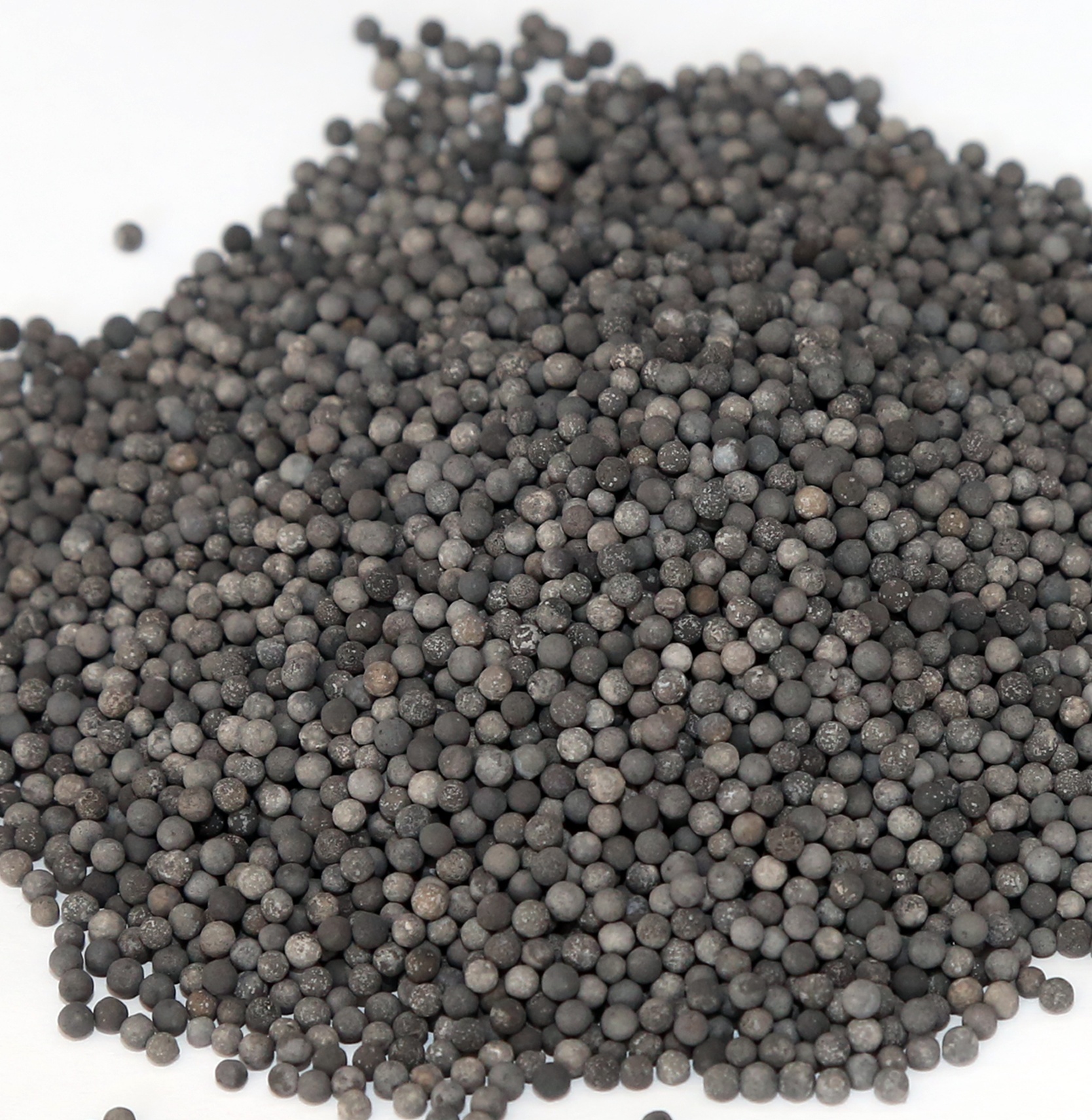
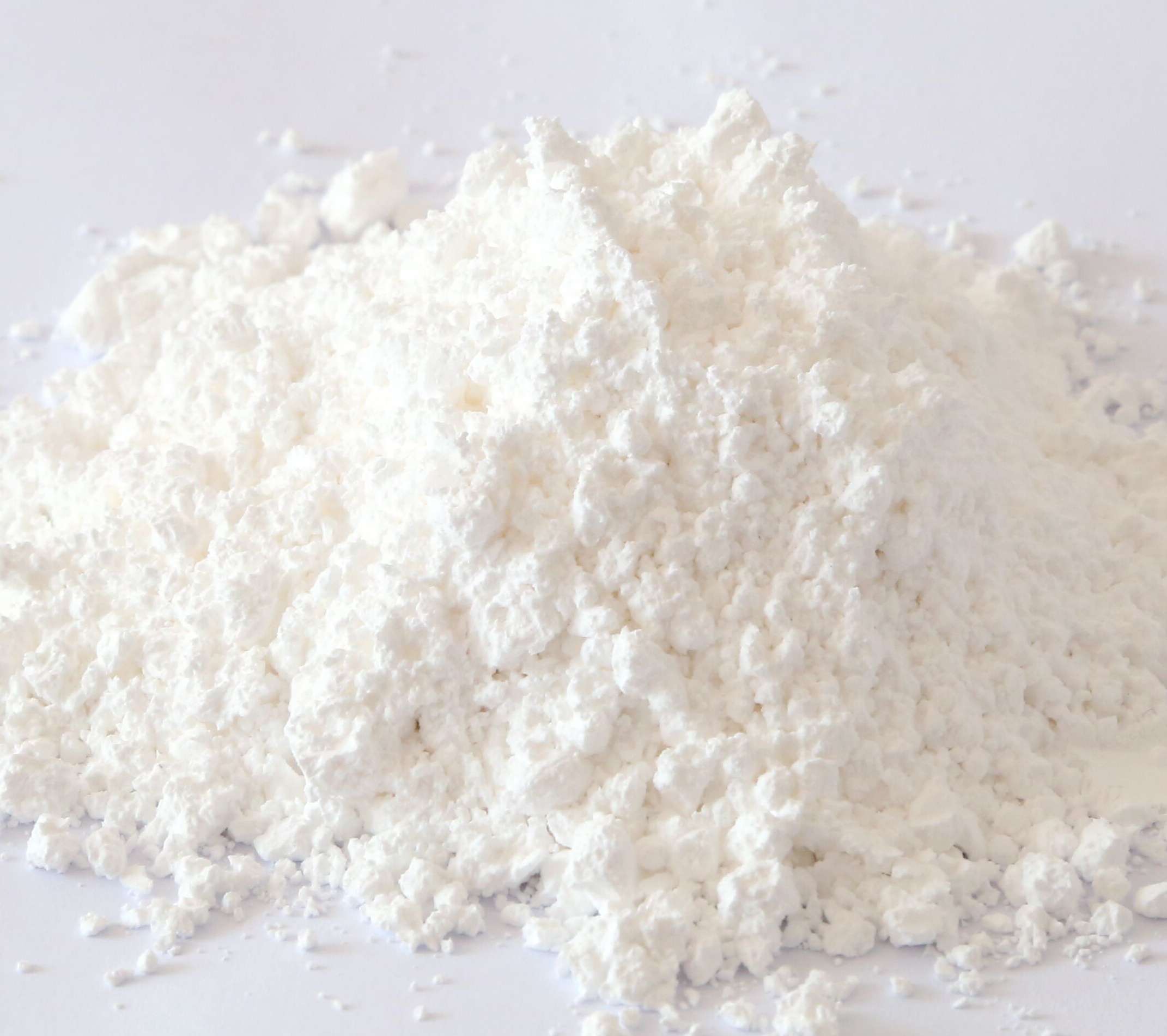
Ultra-Stable Y-type (USY) zeolites represent a significant advancement in catalytic materials, especially for hydrocracking applications. These catalysts are renowned for their stability under harsh conditions and superior performance in processing heavy feedstocks into lighter, more valuable products.
HY zeolite catalyst plays a crucial role in the field of petrochemical refining due to its unique physicochemical properties, making it an indispensable component in various catalytic processes. Below is an overview detailing its characteristics, application areas, and advantages.
MCM-22, a unique molecular sieve catalyst developed by Mobil (now ExxonMobil), has garnered significant attention for its application in isomerization reactions due to its distinctive structure and properties. Below is an exploration of how MCM-22 functions in isomerization processes, along with some practical examples showcasing its efficacy.
NAY zeolite, a variant of the Y-type zeolite, finds significant application in Fluid Catalytic Cracking (FCC) processes due to its exceptional properties that enhance catalytic performance. Below are detailed insights into how NAY zeolites contribute to FCC operations and their advantages:
SAPO-18 molecular sieves are part of the broader family of silicoaluminophosphates (SAPOs), which are microporous materials with a well-defined crystalline structure. These materials have been widely studied and applied in catalysis, adsorption, and ion-exchange processes due to their unique properties. SAPO-18 is characterized by its specific pore structure and chemical composition, making it particularly useful for certain applications.
SAPO-5 molecular sieves belong to a class of materials known as silicoaluminophosphates (SAPOs), which are microporous crystalline inorganic solids. They are synthesized by combining silicon, aluminum, and phosphorus oxides under controlled conditions. SAPO-5 is one of the first discovered and most studied members of this family.
MCM-41, a mesoporous material developed by the Mobil Corporation, is renowned for its unique hexagonal array of uniform mesopores, high surface area, and tunable pore size. These properties make MCM-41 an attractive catalyst or catalyst support in various hydroprocessing applications, including hydrocracking processes.